Safety Regulations & Compliance
Comprehensive flight safety analysis and aviation protocols for Aero Drum LTA systems.


General Safety Protocols (Indoor & Outdoor)
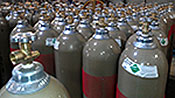
1. Pure Helium Gas & Non-Flammable Physics: The core safety of all RC-Zeppelin lighter-than-air systems lies in the exclusive use of high-grade, non-flammable Helium gas. Unlike traditional multirotors or heavy drone configurations that rely purely on mechanical battery thrust to stay afloat, our blimps utilize natural physical displacement to achieve neutral buoyancy. The airship floats inherently in the air mass without consuming electrical energy for its elevation lift.
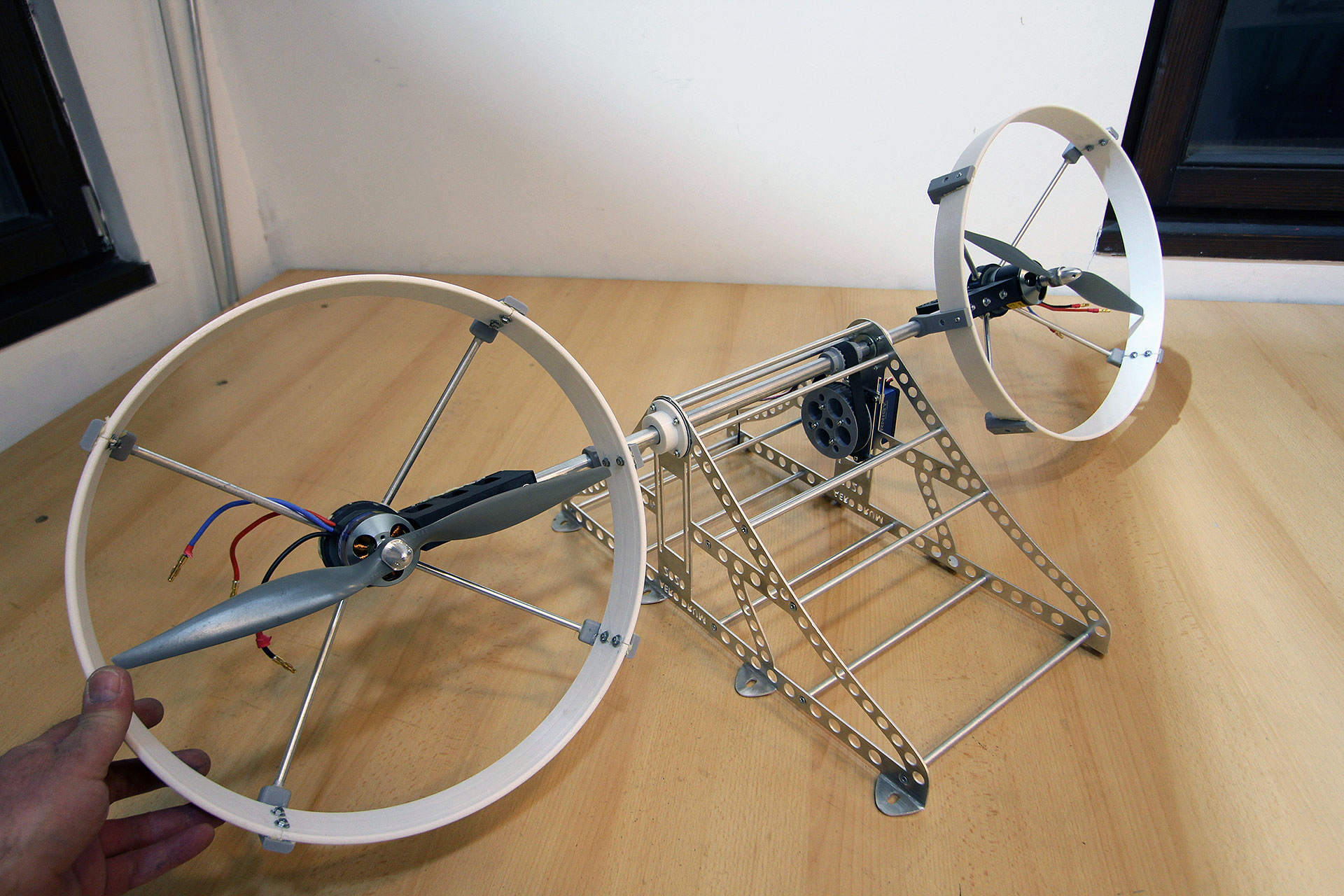
2. EASA & FAA Unmanned Aircraft Compliance: RC Blimps occupy a highly favored position in global drone regulations due to their extremely low kinetic mass and benign flight nature. Our production line is continuously updated to fulfill the latest safety baselines required by the European Union Aviation Safety Agency (EASA) and the Federal Aviation Administration (FAA) in the United States.
Because our airships operate at lower operational velocities and possess elastic polyurethane hulls, they are excluded from the strict, high-risk operational bans that restrict typical heavy commercial multirotors from flying directly over public gatherings or city centers.
3. Polyurethane Seam Integrity: The structural reliability of our envelopes is achieved through advanced ultrasonic and thermal welding processes applied to high-end 50-micron polyurethane films. Polyurethane provides the lowest helium permeability coefficient in modern materials science, meaning your airship can stay inflated for extended multi-day periods during corporate exhibitions without requiring constant helium replenishment logistics.
Specific Safety Protocols for Outdoor Blimps
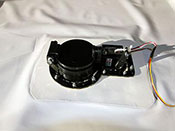
1. Automated Internal Overpressure Safety Valves: Operating an airship in an open-air environment introduces thermodynamic challenges that do not exist indoors. When an outdoor blimp (ranging from 6m to 12m) is subjected to direct solar radiation, the helium gas inside the envelope expands rapidly, increasing internal pressure. To prevent structural over-inflation, our outdoor hulls are equipped with calibrated mechanical overpressure safety valves.
These valves automatically manage changing internal pressure caused by solar heat and atmospheric height variations, ensuring the hull maintains its optimal aerodynamic shape and never exceeds safe structural design thresholds. As the blimp descends or cools, the valves seal completely to preserve the remaining gas lift.
2. Wind Handling & High-Output Propulsion: To tackle the primary challenge of outdoor flight—wind handling—our outdoor fleet is powered by high-output, industrial-grade brushless motors and heavy-duty vector thrust systems. These systems allow the pilot to execute precise counter-maneuvers against unpredictable wind gusts and thermal air currents up to their rated wind resistance thresholds.
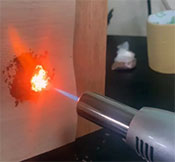
3. Telemetry Redundancy & Ground Control Failsafes: Our outdoor propulsion and steering systems utilize smart fail-safe multi-channel telemetry lines. The onboard electronics are coupled with redundant RC lines that automatically activate emergency engine idling and hovering scripts if ground control signal interference is detected. This redundant framework ensures that the pilot maintains complete positional authority over the massive ship at all times, making it an ultra-stable, vibration-free platform even in challenging outdoor weather.