Aero Drum Blog: Inside LTA Engineering & News
Discover the science of helium-tight materials, LTA technology, blimp-drone hybrids, and custom aerospace solutions.
Trusted by Industry Leaders Worldwide















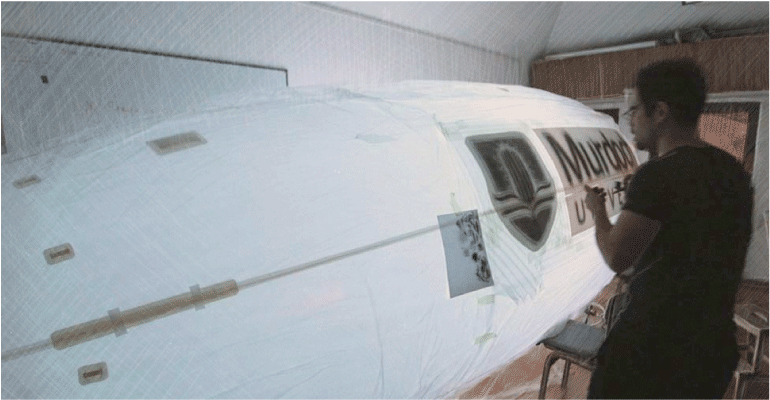


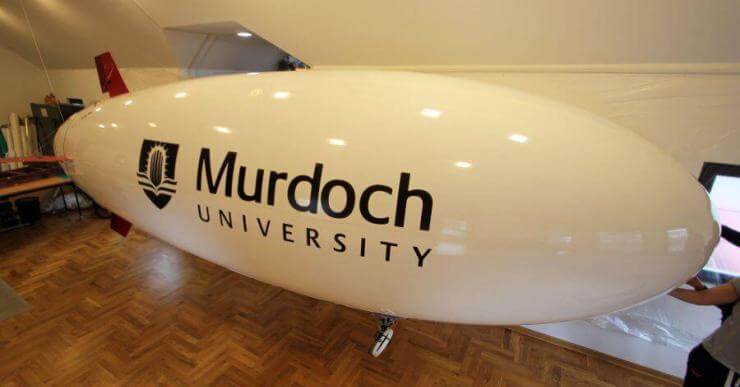
How we mastered the "black art" of printing on the industry's most reliable, helium-tight material.
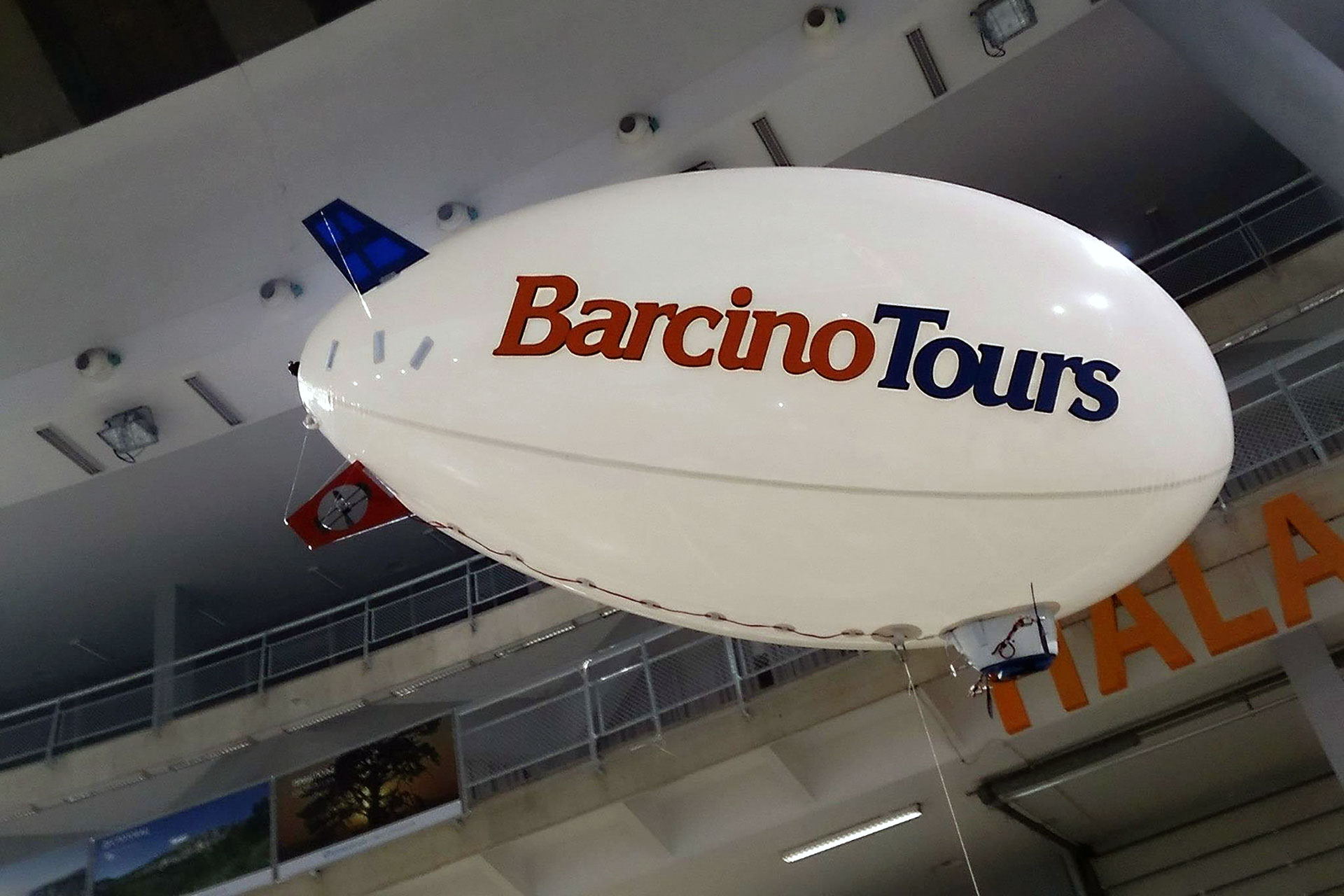
Printing on Polyurethane (TPU) is notoriously difficult due to its glass-smooth surface and immense molecular density. However, this dense molecular structure makes TPU the absolute best material for preventing tiny helium atoms from escaping. Over 20 years of production experience proves our TPU restricts helium loss to an incredible 0.5% to 0.7% of total volume per day. To satisfy the global demand for colorful, branded aircraft, we spent two years developing a specialized printing technology that works perfectly without compromising material quality. Our breakthrough process allows us to permanently print vibrant logos and custom artwork partially or entirely across envelopes of all sizes. Clients can now completely customize any indoor or outdoor blimp ranging from 2 to 12 meters or longer. For questions about custom branding or to get a quote, reach out to our team today at rczeppelin@protonmail.com.
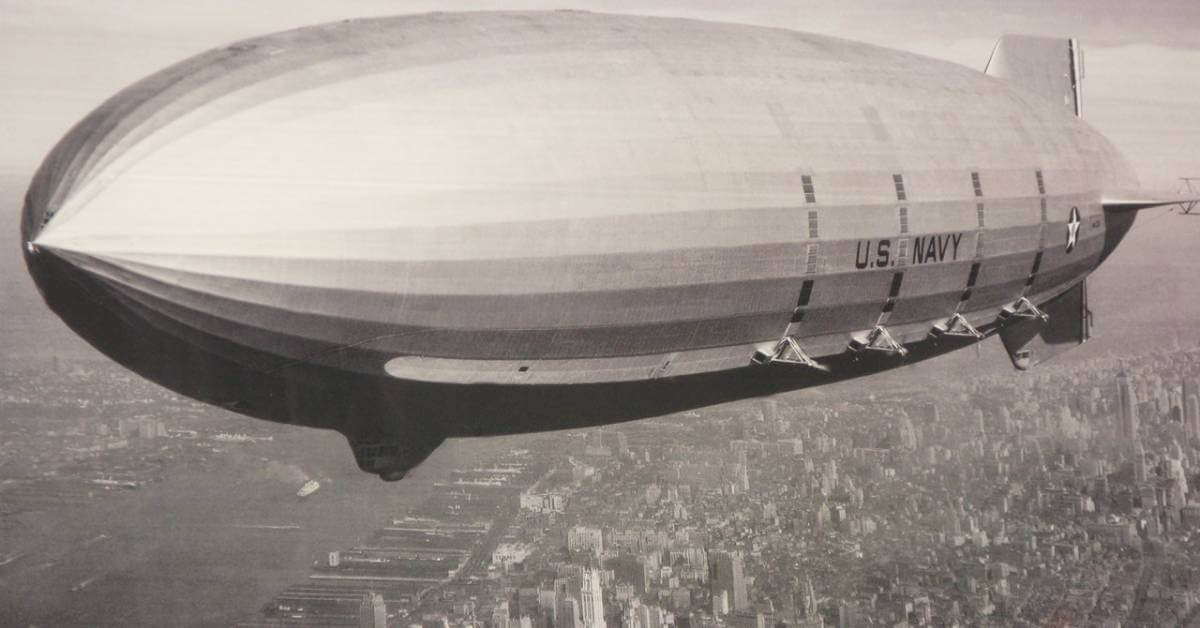

Clear up the common confusion and discover the structural secrets that separate these two iconic lighter-than-air aircraft.
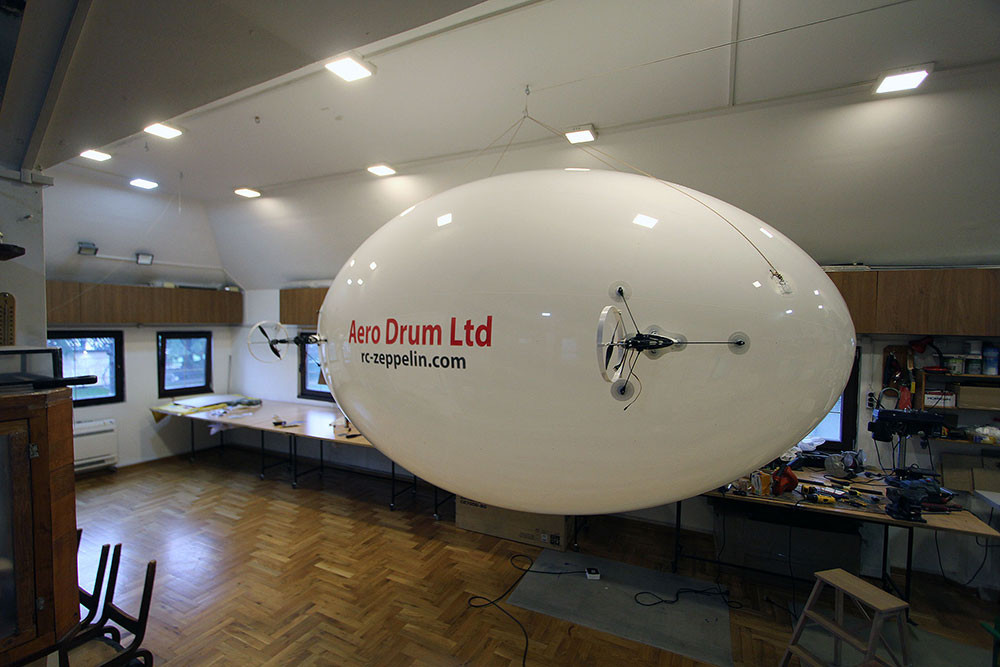
While both blimps and zeppelins are steerable airships filled with lighter-than-air gas, they are built entirely differently underneath their envelopes. The primary distinction lies in their skeleton: a Zeppelin features a rigid or semi-rigid internal frame made of metal rings, whereas a blimp has a completely non-rigid structure. This means a blimp relies solely on the internal pressure of its helium gas to maintain its aerodynamic shape, allowing it to be deflated and packed away like a standard balloon. Due to the heavy internal framework, Zeppelins are typically massive and handle like slow airplanes at high altitudes, while blimps can be built much smaller. Historically, Count Ferdinand von Zeppelin popularized the rigid design for transportation and military use, making the brand name synonymous with all airships. Today, while true Zeppelins remain rare and massive, non-rigid blimps offer excellent versatility for modern applications. At Aero Drum, we specialize in manufacturing high-quality, non-rigid RC blimps ranging from 2 to 12 meters in length for both indoor and outdoor use.


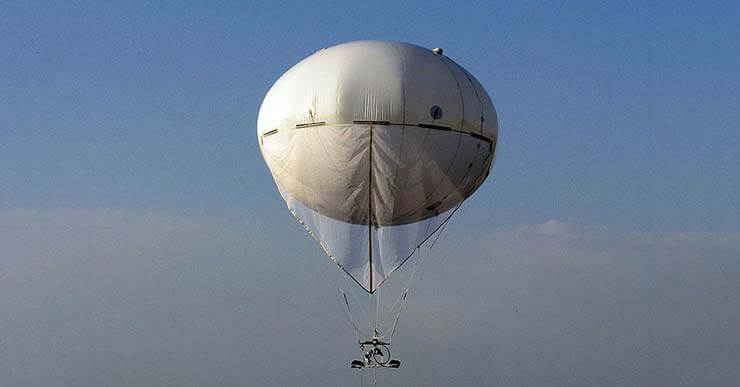
Discover the science and cost-effective applications behind the world's most enduring lighter-than-air aircraft.
An aerostat is a hollow aircraft made of light material and filled with a lighter-than-air gas that allows it to float effortlessly in the atmosphere. In a narrower sense, the term refers to statically tethered balloons that operate without any means of propulsion. These platforms rely entirely on Archimedes' principle to gain natural lift, balancing their volume and weight against the displaced air. Depending on the deployment needs, balloons can be categorized into hot air, gas (typically helium), and hybrid Roziere types. Today, modern aerostats are widely utilized for specialized tasks such as scientific research, long-term surveillance, advertising, and aerial photography. Their continued global use is highly justified by remarkably low operating costs, as they can stay aloft far longer than conventional aircraft. At Aero Drum, we continuously work on advancing this technology and developing new envelope materials to maximize aerostat effectiveness.
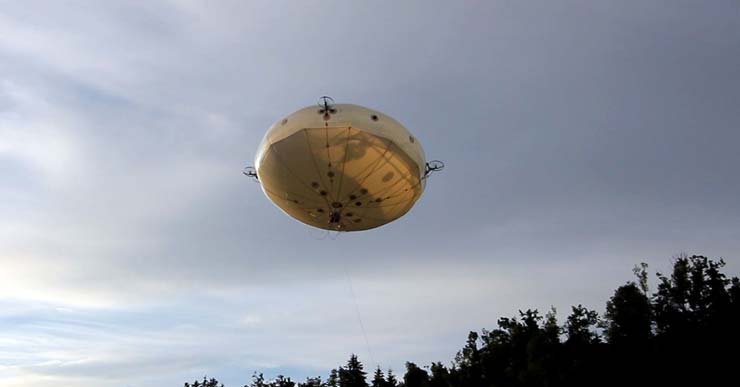
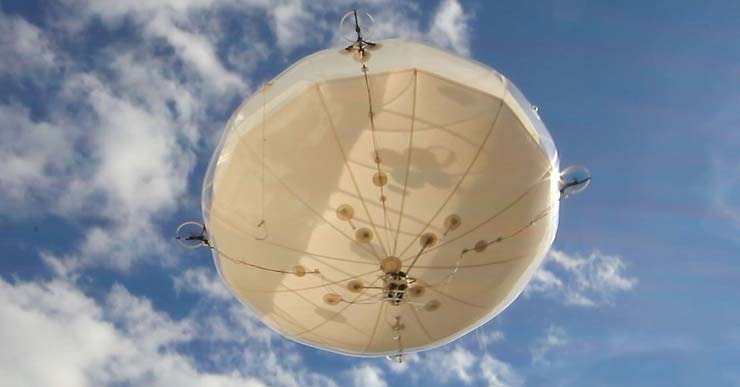
How merging LTA technology with drone agility solves the industry's biggest challenge: Air Time.
The multirotor drone market has exploded, but standard designs face the exact same limiting factor: restricted air time. At Aero Drum, we set out to solve this by merging Lighter-Than-Air (LTA) blimp efficiency with drone maneuverability into a unique hybrid platform. We built and fully tested our initial prototype, but the real-world flight data showed us that we needed to pivot. Based on those valuable insights, we decided to change direction entirely and move forward with a brand-new design optimized for aerodynamic drag and stability. Our evolved hybrid platform still uses natural helium lift to support heavy payloads, allowing for drastically longer flights without constantly fighting gravity. This newly redesigned technology is ideal for industries that require constant observation, such as border surveillance, agricultural monitoring, and industrial inspection. As we push our new design into advanced development, investors and clients are welcome to contact us at rczeppelin@protonmail.com to join the LTA revolution.
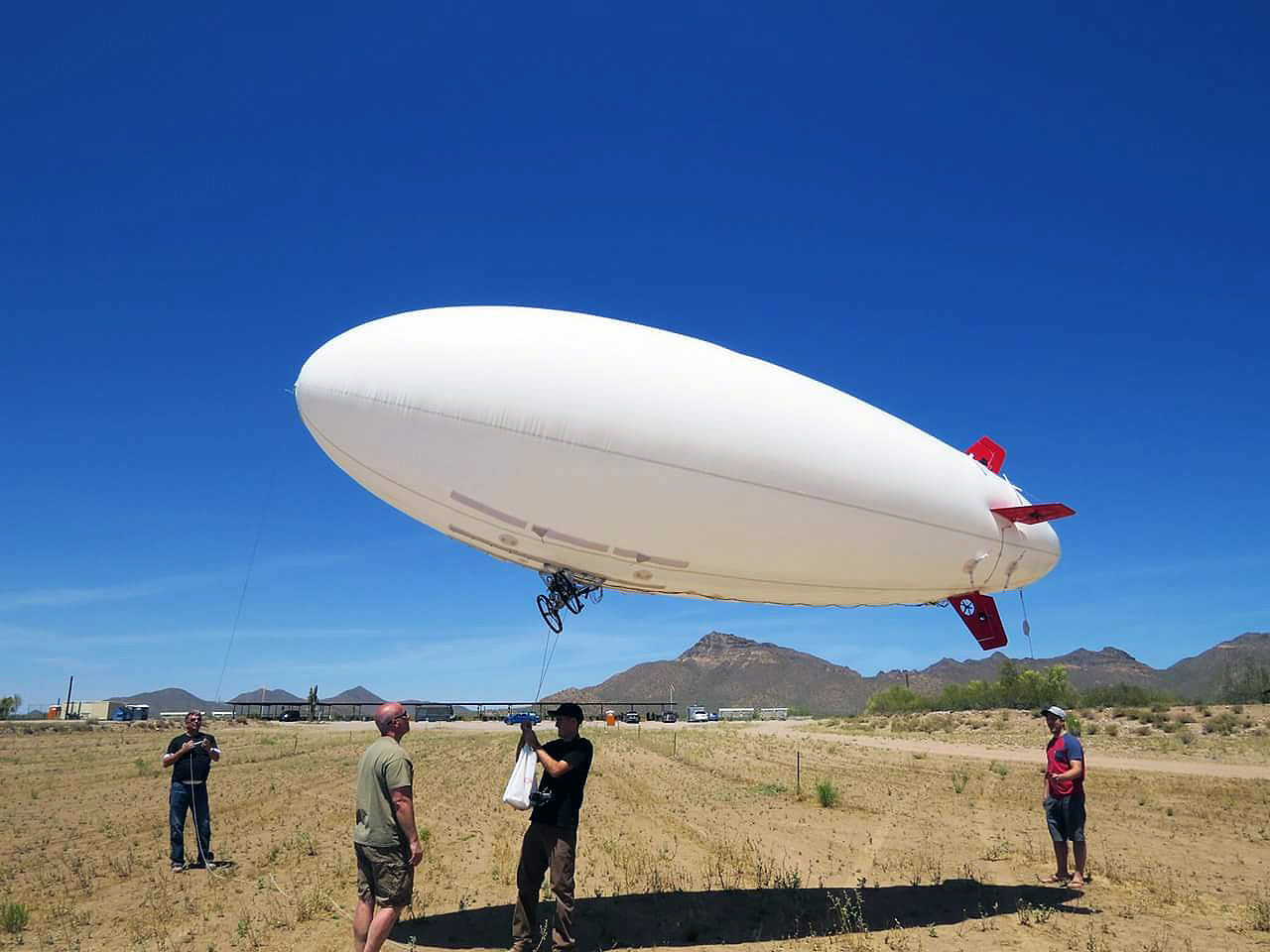
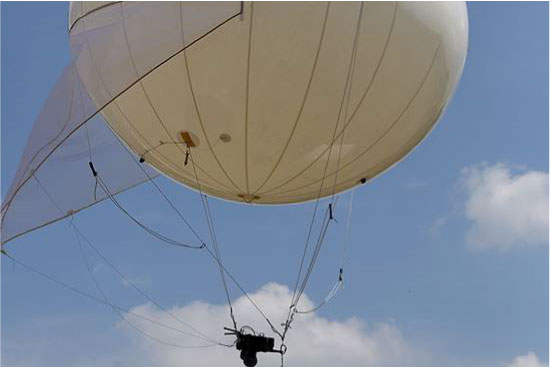
Everything you need to know about drone laws, registration, and safety standards for commercial blimps.
Indoor Operations: Maximum Freedom with Private Regulations
Flying unmanned blimps and aerostats inside exhibition halls, sports arenas, or other enclosed structures is not subject to civil aviation laws, as neither Europe's EASA nor the American FAA holds jurisdiction over indoor airspaces. The use of aircraft in these environments depends entirely on written permission from the venue's owner or management. The primary legal requirement imposed by insurance companies is the mandatory use of non-flammable helium (instead of hazardous hydrogen) and holding a third-party liability insurance policy that explicitly covers damages inside the facility.
European Union (EASA): Strict Categorization and Mandatory Registration
For outdoor operations in Europe, blimps and aerostats fall under the EU 2019/947 regulation governing Unmanned Aircraft Systems (UAS). If the aircraft weighs more than 250 grams or carries a camera, the operator must register with their national aviation authority (such as CAD in Serbia) and visibly display the registration number on the aircraft's body. For standard flights within the visual line of sight (VLOS) up to an altitude of 120 meters, a certificate for the "Open" category (A3 subcategory) is sufficient, whereas marketing flights over crowds or beyond visual line of sight (BVLOS) require a complex SORA risk assessment and a special authorization under the "Specific" category.
United States (FAA): Part 107 and Part 101 Frameworks
In the US, legal rules for outdoor flying depend on the control method and the weight of the aircraft. Remote-controlled, unmanned blimps weighing less than 55 pounds (25 kg) are regulated as small drones under 14 CFR Part 107, meaning the pilot must hold a valid Remote Pilot certificate, the aircraft must be registered via the FAA DroneZone portal, and flying over people or at night requires official FAA waivers. On the other hand, tethered aerostats (balloons secured by a cable) are exempt from drone rules and fall under 14 CFR Part 101, which mandates strict coordination with Air Traffic Control (ATC) if the aircraft exceeds specific weight and altitude thresholds.
Tethered Aerostat Rules and Universal Safety Standards
Tethered aerostats operated outdoors in both jurisdictions are legally treated as physical obstacles in the airspace. If they exceed statutory altitude limits (typically above 30 to 50 meters), operators are required to log the flight via a NOTAM (Notice to Air Missions) to alert pilots, install lighting signals for night operations, and implement automatic rapid-deflation systems in case the tether breaks. Regardless of the region, before any outdoor liftoff, an operator must legally secure aviation liability insurance (complying with Regulation EC 785/2004 in the EU) and check airspace maps via official apps to avoid strict no-fly zones near airports or military installations.