Aerodynamic Ellipsoid Aerostats: Engineered for Maximum Possible Wind Stability and 24/7 Multi-Sensor Payload Operations.
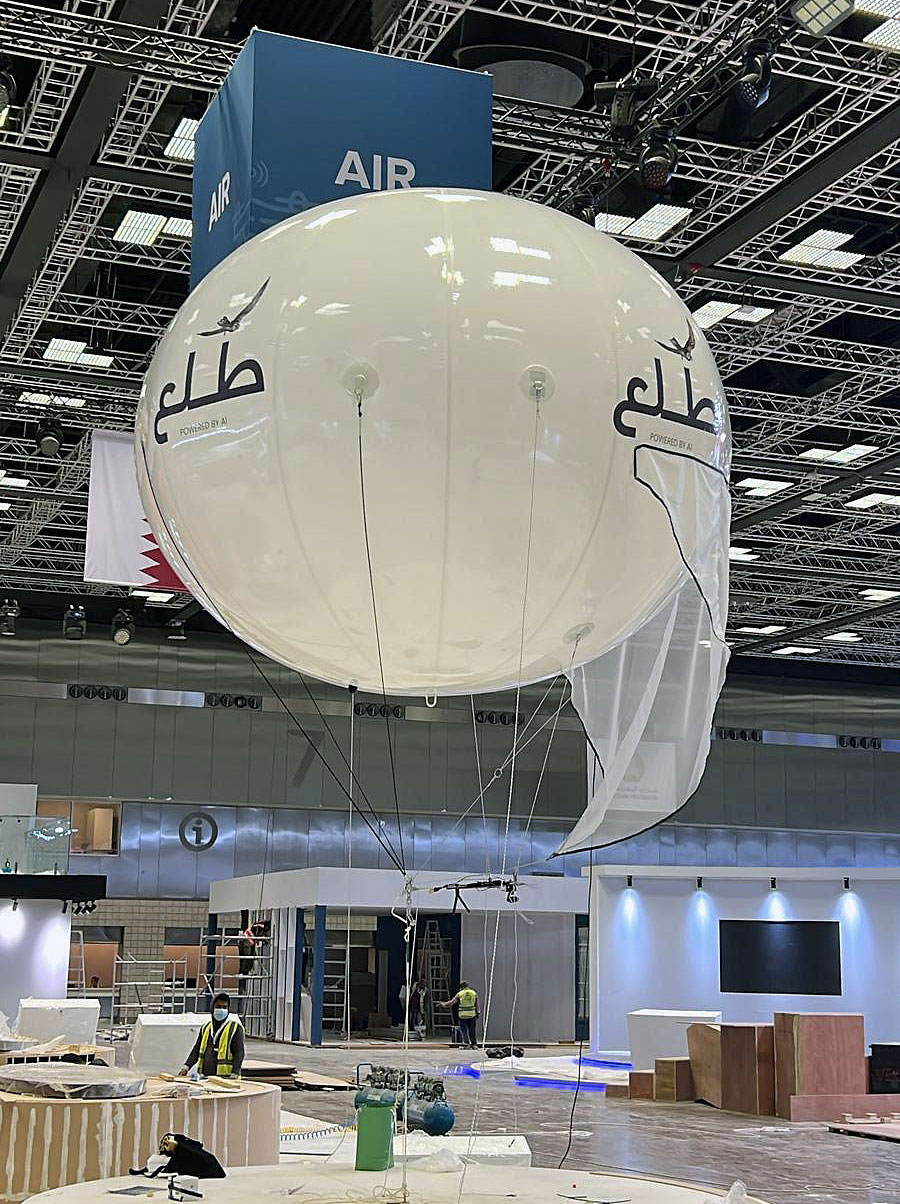
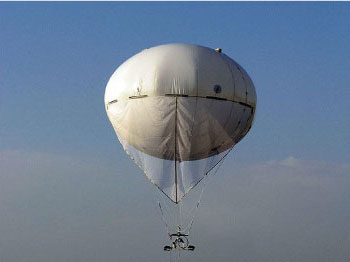
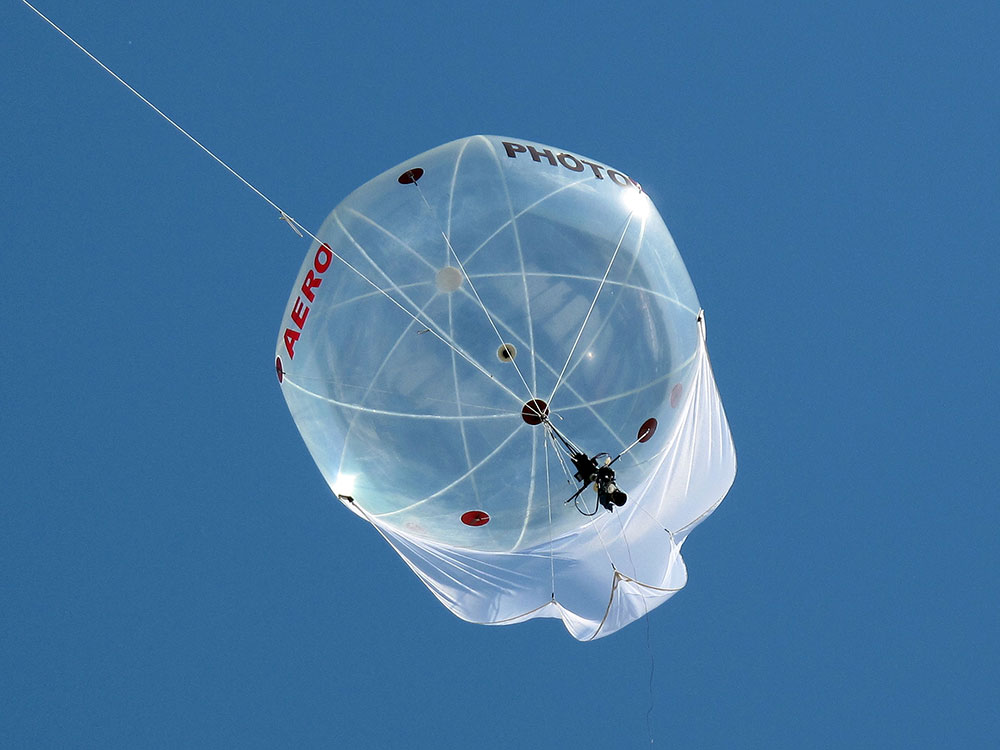
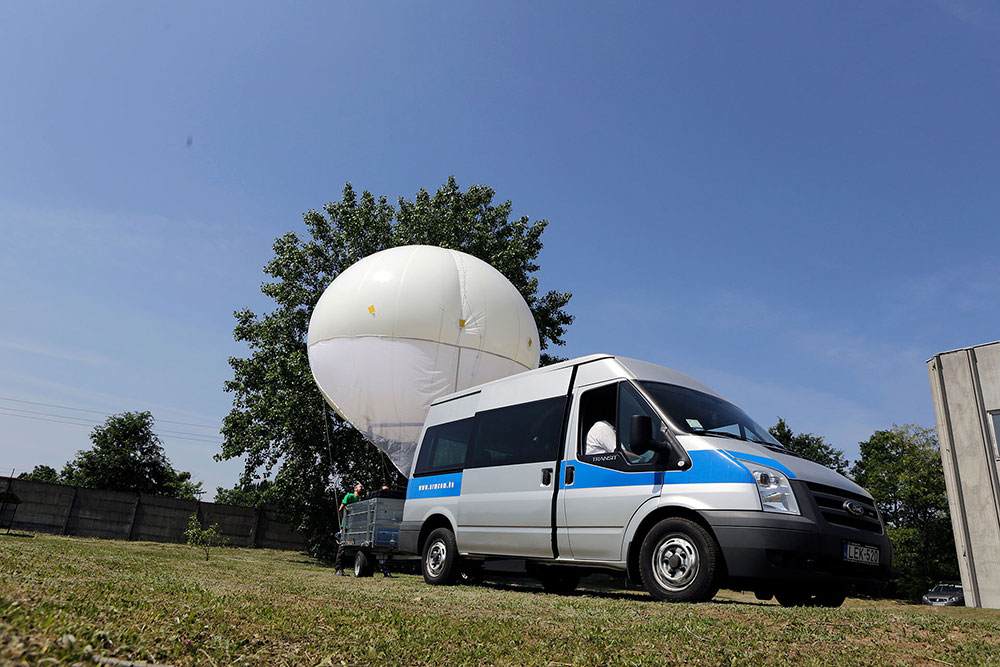
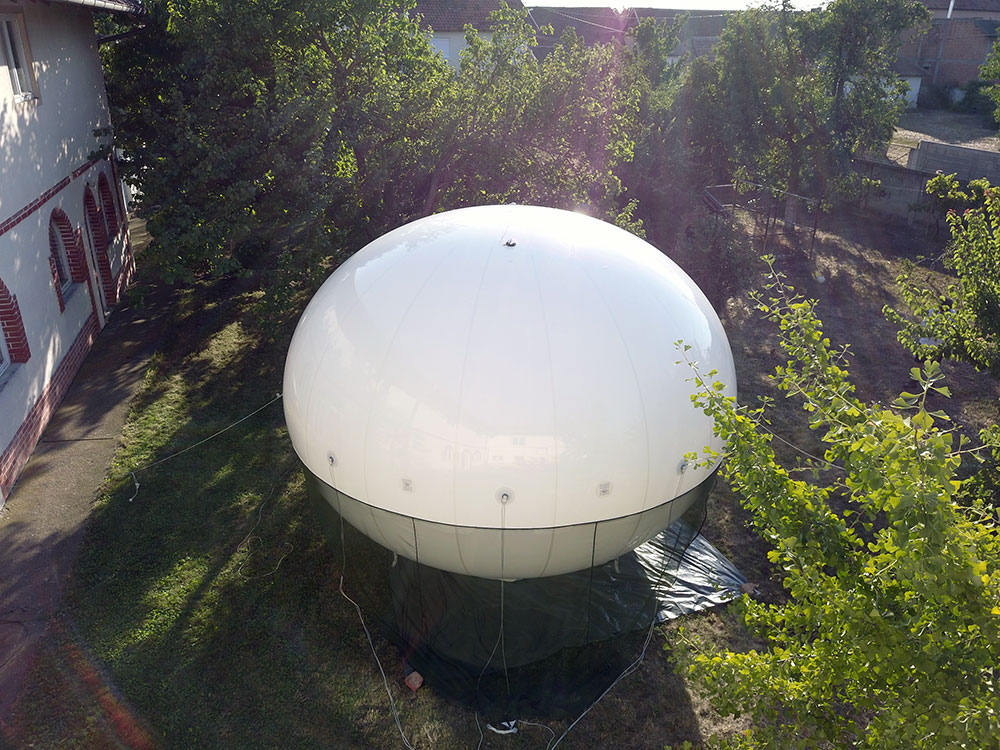
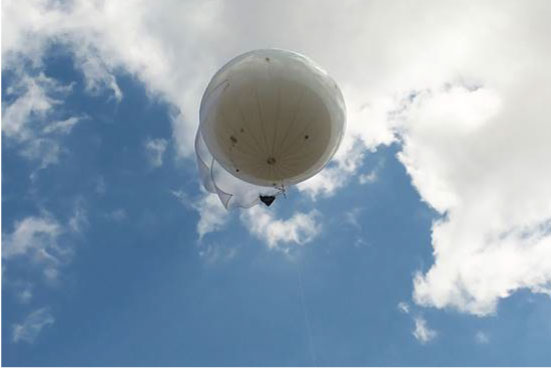
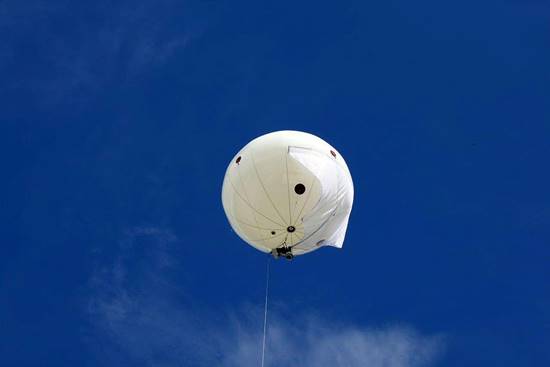
Ellipsoid Aerostats represent the pinnacle of aerodynamic optimization in lighter-than-air (LTA) technology. Unlike traditional high-drag spherical balloons, the streamlined elliptical (zeppelin-shaped) profile is specifically engineered to reduce aerodynamic drag coefficients and withstand high cross-wind conditions.By utilizing an advanced low-drag geometry, these systems effectively convert wind energy into stabilizing aerodynamic downward and lateral forces, maintaining exceptional pitch, roll, and yaw stability even during wind gusts. The high-retention polyurethane (PU) envelope ensures optimal internal pressure regulation and low helium permeability.This makes our ellipsoid platforms the premier choice for deploying sensitive airborne payloads, high-resolution electro-optical/infrared (EO/IR) gimbals, radio relays, and advanced scientific sensors. The system guarantees maximum steady positioning, high-altitude stabilization, and vibration-free data acquisition for continuous long-term operations.
Compliant with FAA and EASA Drone and Aerostat Safety Regulations: Ellipsoid Aerostats incorporate the most advanced aerospace safety design elements. The system features automated aerodynamic pitch and roll stabilization, dual pressure-relief safety valves, a highly resilient multi-layer envelope seam construction, and redundant electronics. Discover more at SAFETY REGULATIONS
Advanced Engineering Specifications & Structural Integrity
Aerodynamic Stability & Drag Minimization
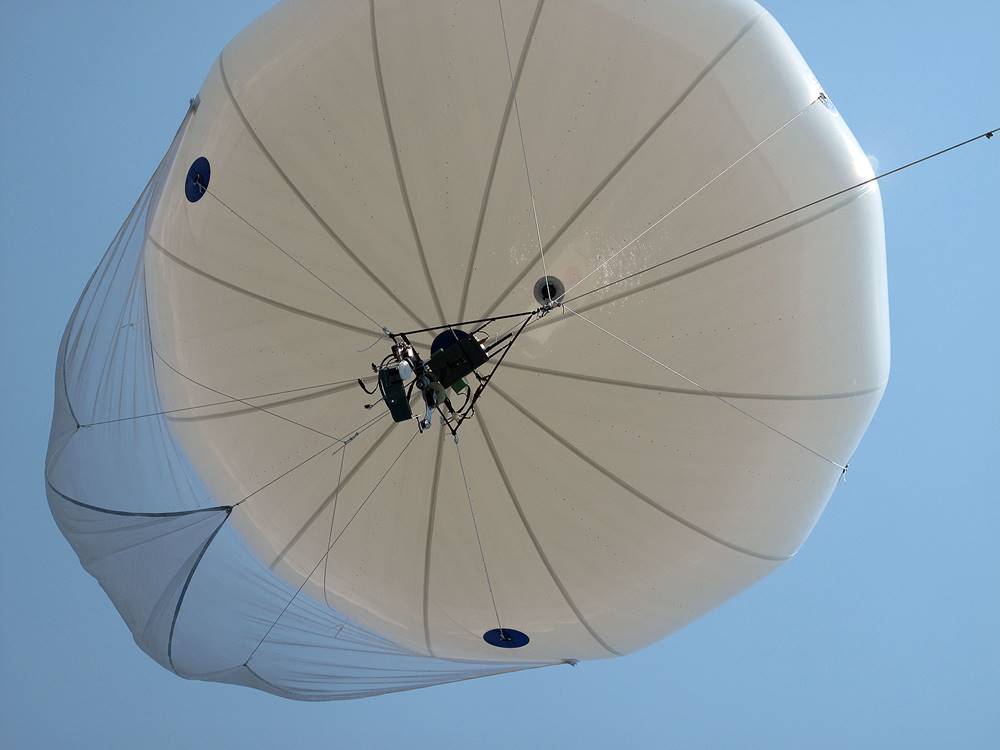
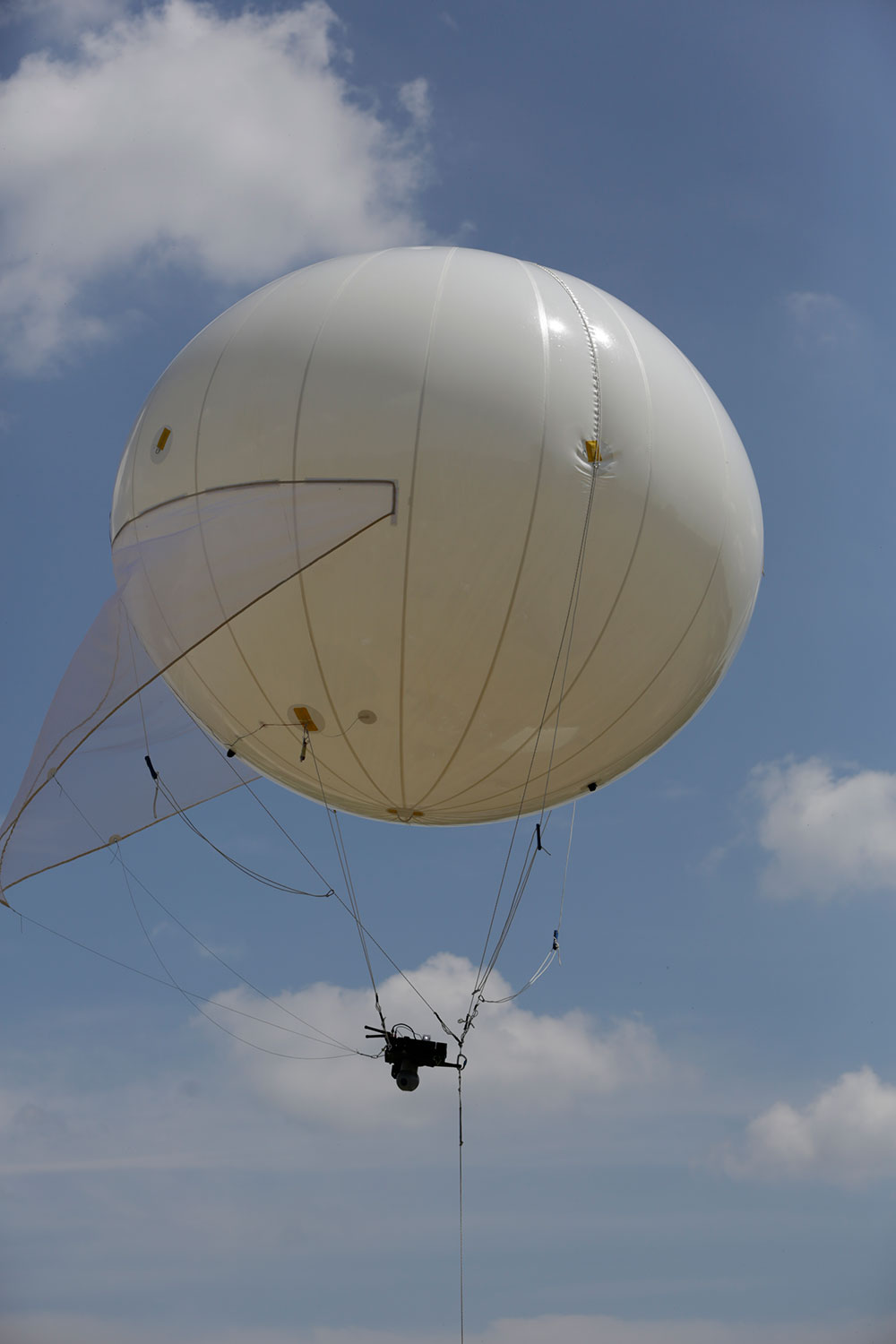
The streamlined ellipsoidal geometry drastically reduces the aerodynamic drag coefficient (\(C_{d}\)) compared to conventional spherical platforms. This low-drag profile converts kinetic wind energy into stabilizing aerodynamic force vectors, effectively mitigating vortex shedding. The integration of precision-engineered tail fins counters aerodynamic instability, eliminating hazardous yaw oscillations, pitch variance, and catastrophic dipping under high velocity cross-winds.
Optimized Payload-to-Volume Ratio
Engineered with an optimized internal volume-to-surface area matrix, the platform maximizes static net buoyancy and volumetric efficiency. The high-displacement lifting gas volume generates exceptional net aerostatic lift, accommodating heavy structural payloads, multi-axis electro-optical/infrared (EO/IR) gyroscopic gimbals, LiDAR systems, and complex multi-sensor arrays without compromising operational altitude or stability.
Advanced Multi-Layer Polymer Materials
The envelope is fabricated using high-tenacity, multi-layer polyurethane (PU) composite films featuring excellent tensile strength and puncture resistance. This advanced material matrix features ultra-low helium permeability (\(cm^3/m^2 \cdot 24h \cdot atm\)), maximizing gas retention and significantly extending operational deployment cycles while withstanding extreme UV radiation, thermal fluctuations, and harsh environmental degradation.
Continuous 24/7 Tethered Infrastructure
Ground-to-air integration is maintained via an ultra-high-molecular-weight polyethylene (UHMWPE / Dyneema) high-tensile strength tether line. This optimized tether features a customized, low-drag fairing jacket that encapsulates integrated heavy-duty copper conductors for continuous ground-supplied power, alongside multi-mode fiber optic cores for secure, real-time, gigabit-speed uplink and downlink data transmission.
Failsafe Safety Architecture & Pressure Management
The aerostat incorporates an active digital telemetry safety backup system alongside an automated mechanical emergency layer. Dual-redundant, remote-controlled (RC) overpressure relief valves monitor and regulate internal differential pressure during altitude ascent or thermal expansion. Integrated autonomous electronic kill-switches and emergency rapid-deflation systems ensure controlled, risk-free recovery in anomalous field conditions.
Proprietary Auto-Stabilization System: Engineered Through Years of Field Testing
Our Ellipsoid-shaped aerostats feature a revolutionary, field-proven auto-stabilization mooring system designed to mitigate dynamic wind forces. By allowing the forward tether lines to dynamically adjust and equalize their own length under wind pressure, the aerostat automatically achieves a perfectly symmetrical wind-catching profile. This cutting-edge innovation is the direct result of years of extensive field research and real-world testing, ensuring unparalleled aerodynamic stability and steady positioning in the harshest environments.